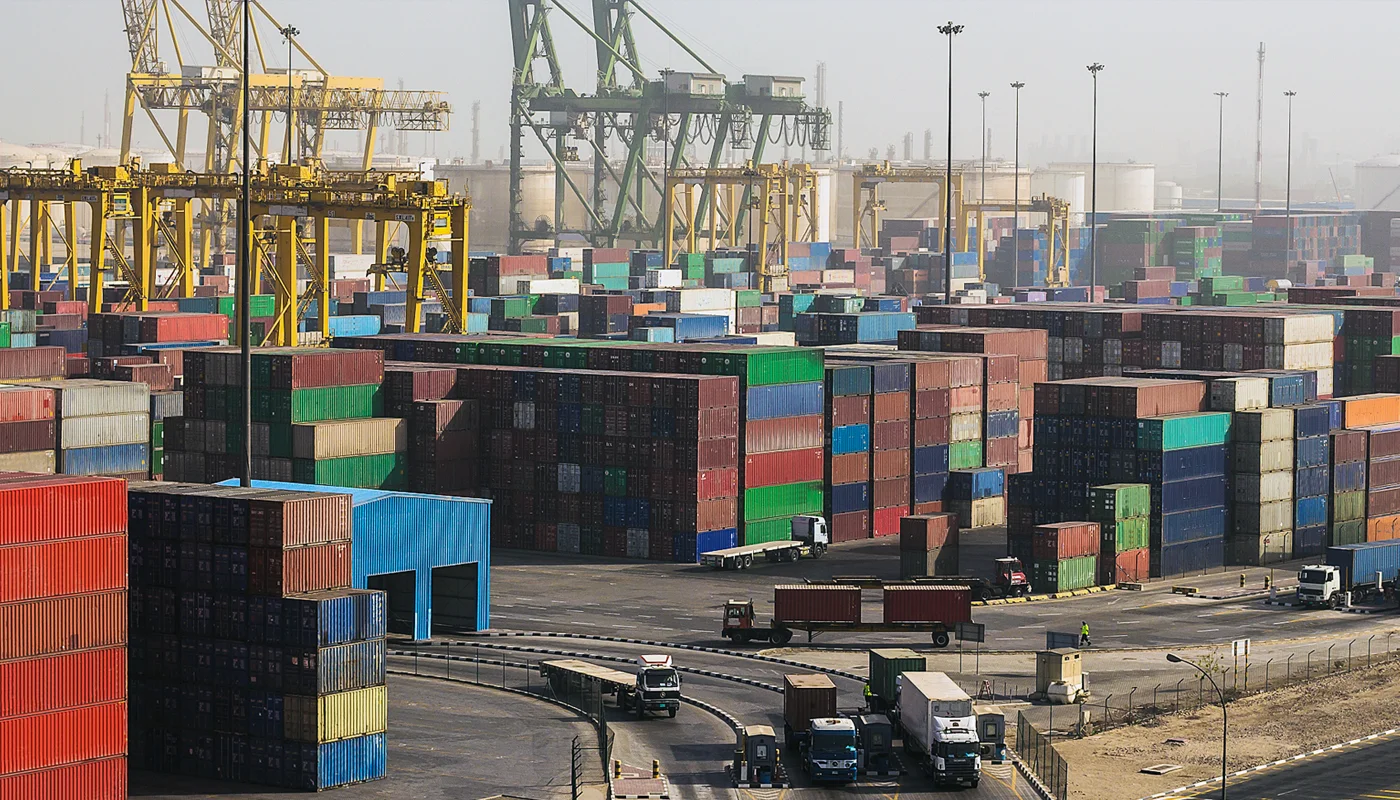
🚧 New Equipment Added — Our fleet has expanded with additional cranes and transport vehicles ready for immediate deployment across the UAE.
⚡ Fast Mobilization — Equipment available for urgent and short-notice projects anywhere in the UAE.
🏗 Project Support Available 24/7 — Our team is ready to support your lifting and transport needs around the clock.
📍 Serving Across UAE — Now providing heavy equipment and transport services across all Emirates.
🚛 Heavy & Light Transport Available — Reliable logistics solutions for machinery and materials.
📞 Request a Quote Today — Call +971 55 223 9188 for quick equipment availability and pricing.
🚧 New Equipment Added — Our fleet has expanded with additional cranes and transport vehicles ready for immediate deployment across the UAE.
⚡ Fast Mobilization — Equipment available for urgent and short-notice projects anywhere in the UAE.
🏗 Project Support Available 24/7 — Our team is ready to support your lifting and transport needs around the clock.
📍 Serving Across UAE — Now providing heavy equipment and transport services across all Emirates.
🚛 Heavy & Light Transport Available — Reliable logistics solutions for machinery and materials.
📞 Request a Quote Today — Call +971 55 223 9188 for quick equipment availability and pricing.